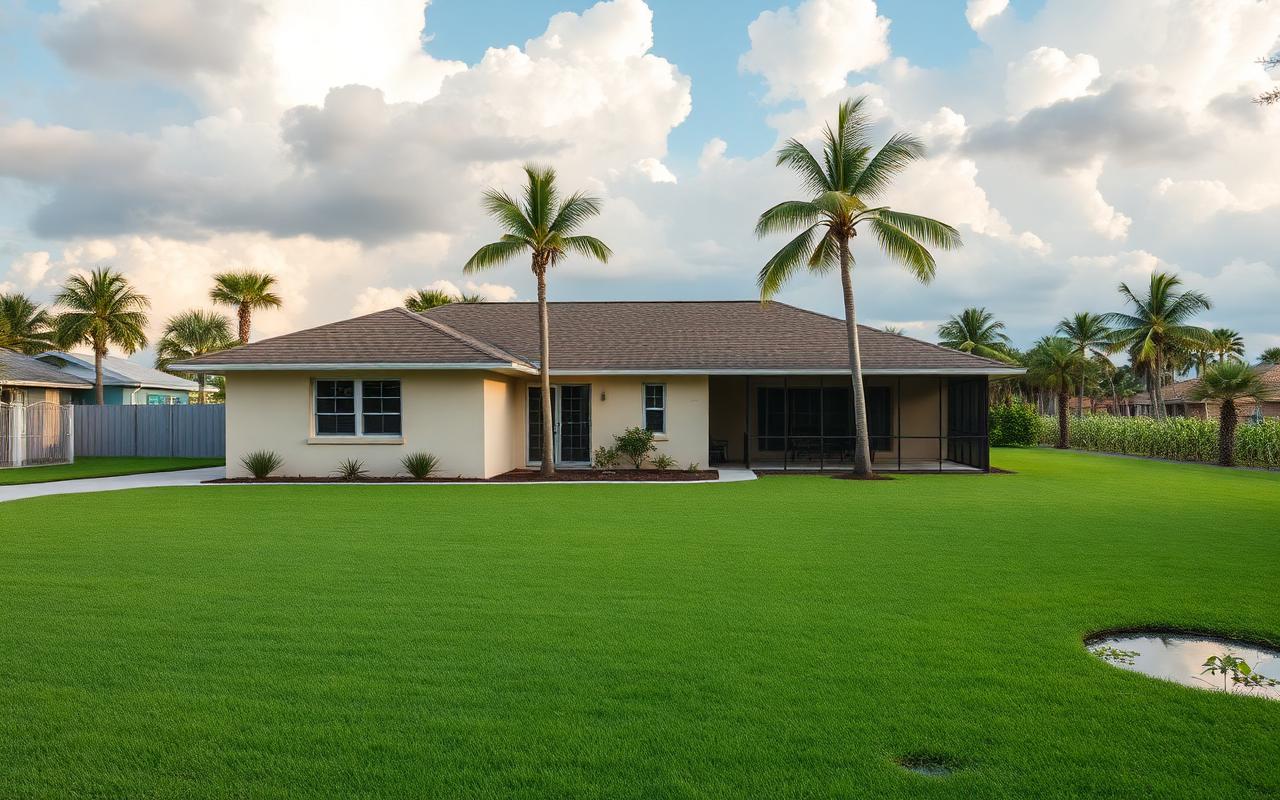
Broward County
Flat terrain, a high water table, and a sharp east-west divide between coastal sewer hookups and western suburbs still on septic.
- Seasonal water table within 1–2 feet of the surface in many western communities
- Sandy soils with periodic muck layers near the Everglades edge
- Hot, humid pump cycles — drainfields process more biomass year-round than in cooler states
- Mounded drainfields required in low areas — and they're not always installed correctly
- Standing water over the drainfield after summer storms
- Older Davie, Southwest Ranches, and Cooper City systems undersized for current household use
Broward's challenge is water. The aquifer sits close to the surface, especially west of University Drive, which means drainfields have less unsaturated soil to work with. After a wet July, a system that's been fine for a decade can start surfacing effluent because the soil simply has nowhere to push the water.
If your home is in Davie or Southwest Ranches, expect to see mounded systems — and verify any new install matches the actual seasonal high water table for your lot, not an averaged number. A mound built two feet too low will fail in its first wet season.
Broward County Environmental Protection and Growth Management oversees permitting. Pull your property's permit history before any major work; it tells you exactly what's been done and where the components sit.
Reviews from this region
- Install★★★★★Mounded system installed too low — failed in the first wet season
New mound system surfaced effluent within the first August after we moved in.