Southwest Florida (Lee & Collier)
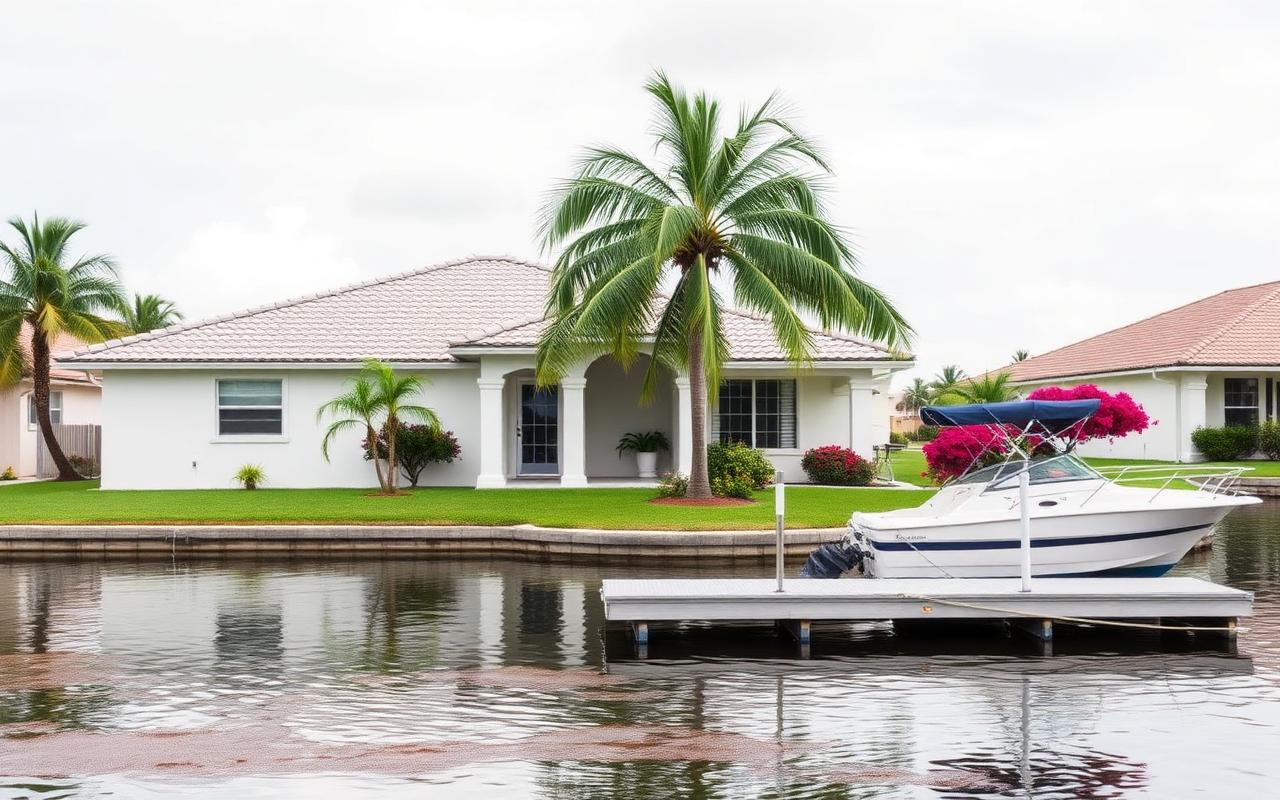
Cape Coral, Fort Myers, Bonita Springs, and Naples — where canal-front living, post-Ian recovery, and aggressive growth all collide with septic capacity.
- High water table close to canals and the coast
- Sandy soils with shell hash, generally workable for drainfields
- Hurricane Ian aftermath — many systems flooded or damaged in 2022, some still being properly assessed
- Cape Coral utility expansion converting septic to sewer block by block — check your assessment status
- Post-storm drainfield contamination from saltwater intrusion
- Naples and Bonita Springs older properties with undersized tanks for current rental/seasonal use
If you own septic in Southwest Florida, two things are true: storms test your system harder than the manufacturer ever planned for, and the area is in the middle of a long, expensive shift toward municipal sewer. Cape Coral's UEP (Utilities Extension Project) has been rolling through neighborhoods for years — knowing whether your block is upcoming changes every decision you make about your tank and drainfield.
After Hurricane Ian, a lot of systems took on saltwater. Saltwater is hard on the biology that makes a septic system work, and it can leave a drainfield struggling for months even after everything looks dry. If your system was inundated and you haven't had a follow-up inspection, that's worth doing.
Lee County Health Department and Collier County Public Health handle septic permits. For Cape Coral specifically, check the city's UEP timeline before committing to any major repair.
Reviews from this region
- Drainfield★★★★★Replaced our drainfield two years after Ian — finally back to normal
System took surge water during Hurricane Ian. Worked technically for a year, then began surfacing after every heavy rain.